


Long before energy drinks took over store shelves, the Indian Subcontinent had its own answer: Shardai. Born in the heart of Punjab and rooted in Ayurvedic tradition, this chilled blend of almonds, fennel, melon seeds, and aromatic spices has fueled farmers, festivals, and family gatherings for generations. More than just a refreshing drink, Shardai is a quiet reminder that real, nourishing energy never needed a stimulant to begin with.
Shardai has been doing what modern wellness brands promise — but naturally, and for centuries. Made from almonds, fennel seeds, melon seeds, and aromatic spices blended with chilled milk, it delivers real, lasting energy without caffeine, sugar crashes, or artificial additives. If you’ve only known it as a festival drink, this guide will completely change how you see it.
What Is Shardai?
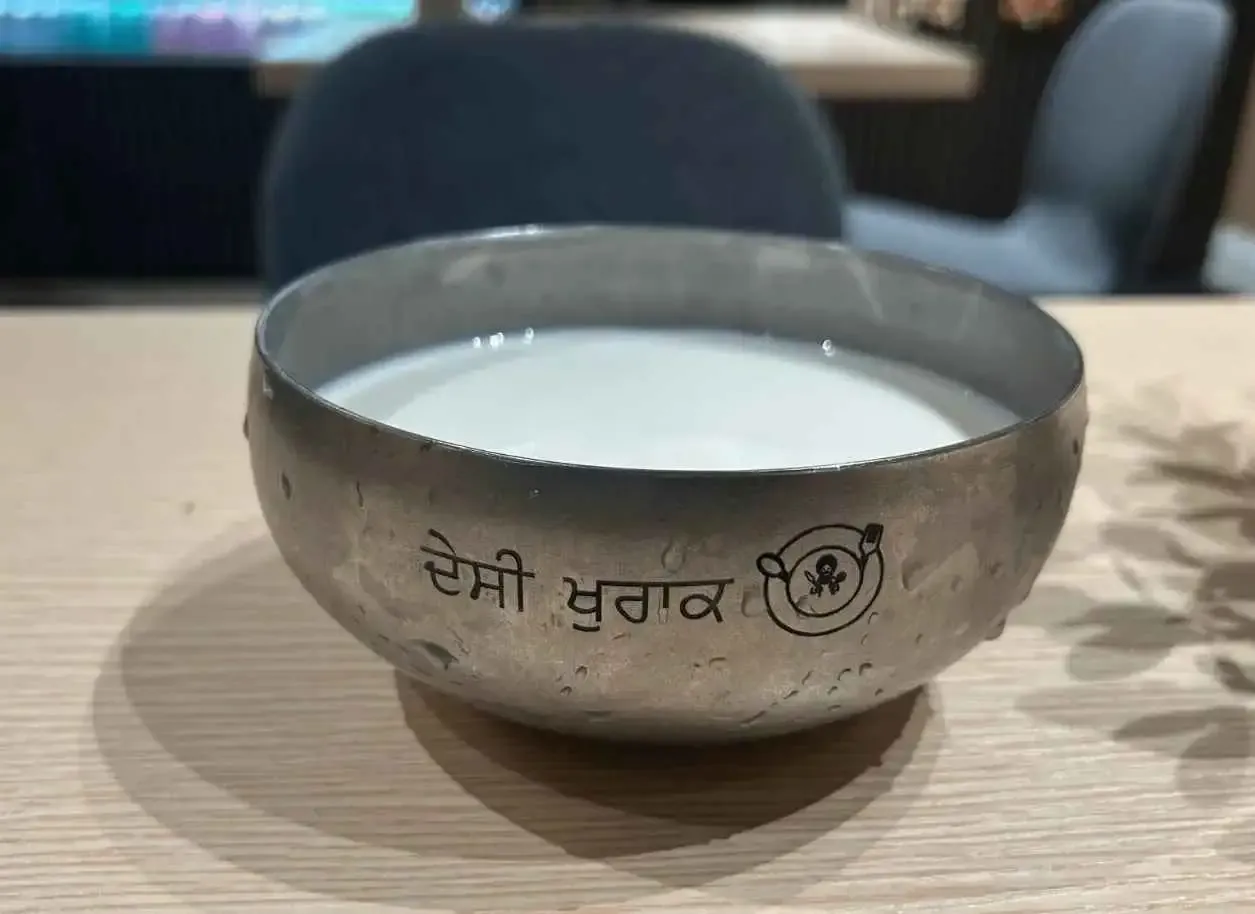
Shardai is a traditional Punjabi drink made by soaking almonds, fennel seeds, melon seeds, poppy seeds, and cardamom, then grinding them into a smooth paste and mixing the strained extract with chilled milk or water. The result is a creamy, lightly sweet beverage that has been consumed across North India for centuries to cool the body, restore energy, and support digestion — all without caffeine or stimulants.
Unlike modern energy drinks that rely on caffeine, taurine, or synthetic vitamins, Shardai works through whole-food nutrition. The energy comes from healthy fats and protein in almonds, minerals in melon seeds, and the natural cooling action of fennel and cardamom. That’s what earns it the label “healthy energy drink” — it nourishes rather than overstimulates, and there is no spike, and no crash that follows.
Shardai vs Thandai: Same Drink, Different Name
In Punjab, Shardai is commonly called Shardai. Across other parts of North India, the same drink is widely known as Thandai — derived from thanda, meaning cold — which reflects its primary role as a body-cooling beverage. The recipe shifts slightly from region to region, with some versions adding saffron or rose water, but the core idea of a chilled, nut-and-spice blend stays the same across India.
Origins of Shardai in Punjabi Culture
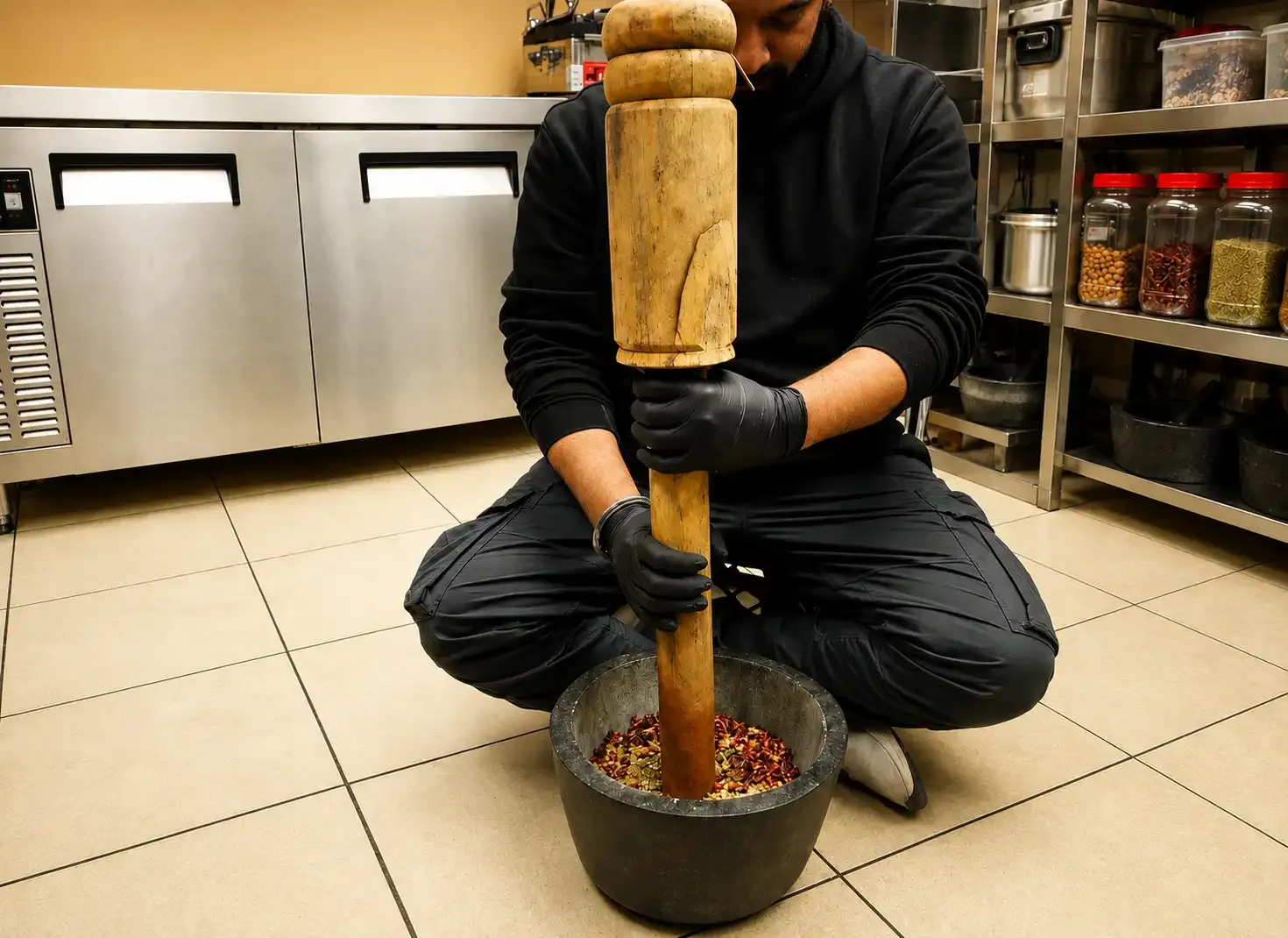
Shardai is not a new wellness trend. Its roots go back to Ayurveda, where cooling, nutrient-rich drinks were prescribed to balance body heat, particularly during the intense summers of North India. The logic was straightforward: dense physical labor in hot weather drains the body of minerals, fluids, and stamina. A drink rich in healthy fats, natural sugars, and cooling botanicals could restore all three without the digestive burden of a heavy meal.
Farmers and laborers across rural Punjab relied on Shardai after long hours in the fields precisely because it worked. It restored energy without causing the lethargy that comes from a heavy food break, and it cooled the body from the inside rather than just on the surface. Over generations, this functional drink also found its way into celebrations. It is a traditionally served during Holi and Maha Shivratri, where offering a glass to a guest is a small but meaningful gesture of hospitality and care.
That combination of daily utility and festive significance is what gave Shardai its lasting place in Punjabi life, and why it is now being rediscovered by a new generation looking for alternatives to processed drinks.
Key Ingredients of Shardai and What Each One Does
Shardai’s nutritional value comes directly from its ingredients. Every component has a specific role, which is why the traditional recipe has stayed largely unchanged for centuries.
| Ingredient | What It Adds |
|---|---|
| Almonds | Protein, healthy fats, vitamin E, sustained energy |
| Fennel seeds | Digestion support, natural cooling effect, antioxidants |
| Melon seeds | Magnesium, zinc, mild natural sweetness |
| Black pepper | Metabolism support, bioavailability booster, flavor balance |
| Green cardamom | Digestive support, aromatic depth, breath freshening |
| Poppy seeds | Smooth texture, mild calming effect, calcium |
| Rose petals | Cooling aroma, antioxidants, skin-supporting properties |
| Milk | Calcium, complete protein, creaminess, hydration |
Many modern versions swap dairy milk for almond or oat milk, making Shardai accessible to people who are lactose intolerant or following a plant-based diet without losing the drink’s essential character.
Health Benefits of Shardai
Shardai offers genuine nutritional value when made with quality ingredients. Here is what the research and tradition both support:
1. Natural Energy Without a Crash
Almonds and melon seeds are rich in healthy fats and protein, which the body breaks down slowly for sustained energy release. Unlike caffeine or sugar, which cause a rapid spike followed by a drop, It provides energy that lasts for hours without leaving you fatigued afterward.
2. Cools the Body Naturally
Fennel seeds, rose petals, and milk all have documented cooling properties in Ayurvedic practice, and some are backed by modern research on their anti-inflammatory effects. During Punjab’s intense summers, this cooling action is not just comfort — it is functional heat management.
3. Supports Digestion
Fennel is one of the most widely used digestive aids in traditional medicine. Black pepper enhances the bioavailability of other nutrients and supports gut motility. Together, they make Shardai easier on the digestive system than many heavy beverages, even after a large meal.
4. Rich in Antioxidants
Rose petals contain flavonoids and polyphenols that help the body manage oxidative stress. When saffron is added, it contributes crocin and safranal, two well-studied antioxidant compounds. These are not trace amounts — rose petals and saffron are used in meaningful quantities in traditional Shardai recipes.
5. Supports Skin and Hair Health
Almonds are one of the richest dietary sources of vitamin E, a fat-soluble antioxidant linked to skin barrier function and hair strength. Milk contributes calcium and protein that support both. Regular consumption of Shardai as part of a balanced diet may contribute to visible improvements in skin hydration and hair texture over time.
6. May Promote Better Sleep
Poppy seeds contain compounds with mild sedative properties, which is why Shardai has traditionally been consumed in the evening as well as during the day. For people who struggle with overstimulation from caffeine-heavy drinks, replacing an evening beverage with Shardai may support more restful sleep.
How to Make Shardai at Home
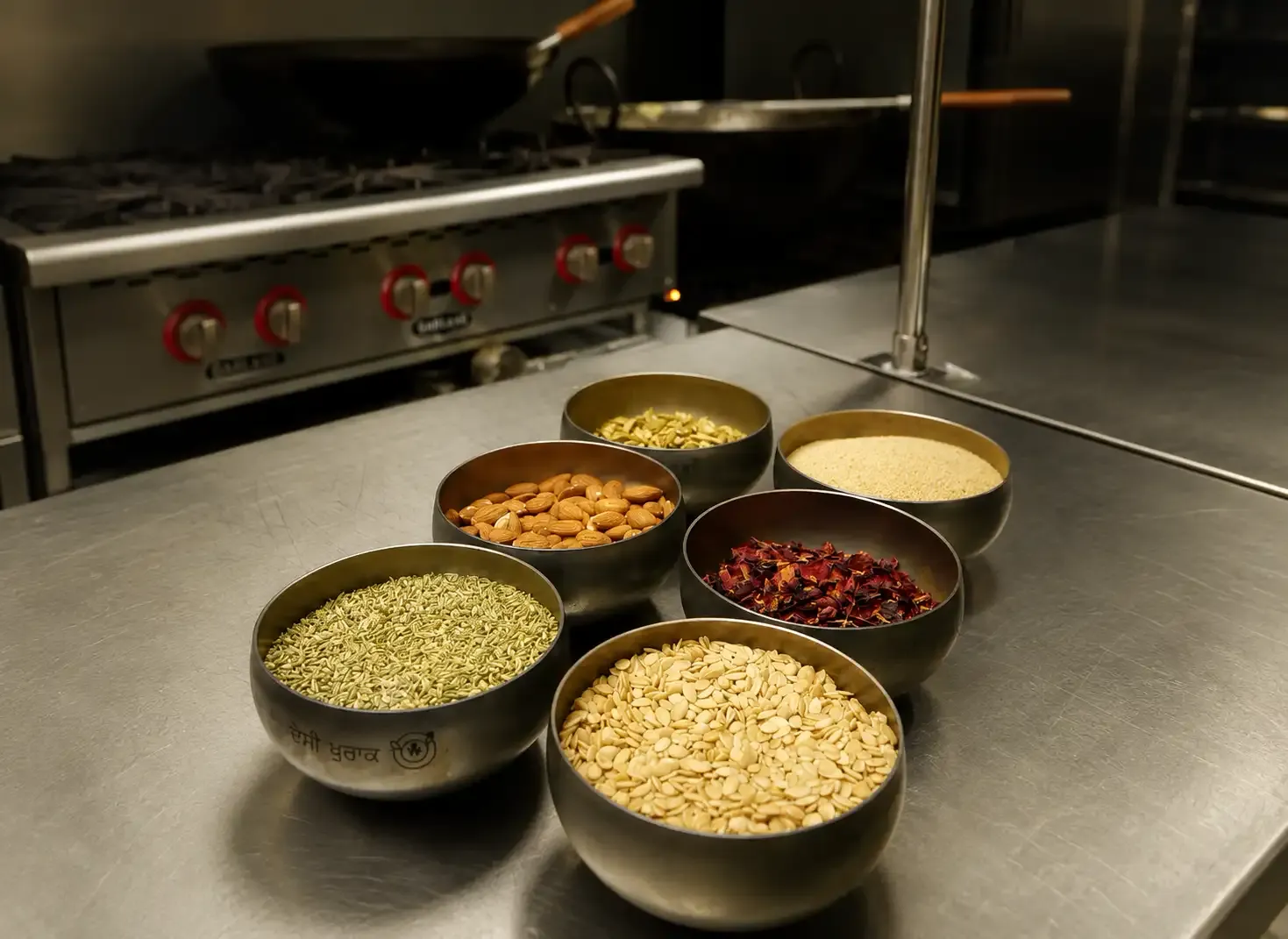
Making Shardai at home requires minimal equipment and about five minutes of active preparation, plus a soaking window of three to four hours.
Ingredients (Serves 2)
- 10–12 almonds
- 1 tbsp fennel seeds
- 1 tbsp melon seeds
- 4–5 black peppercorns
- 3–4 green cardamom pods
- 1 tsp poppy seeds
- A few dried rose petals
- 2 cups chilled milk (dairy or plant-based)
- Sugar or jaggery, to taste
- A pinch of saffron or a few drops of rose water (optional)
Step-by-Step Method
- Soak the almonds, fennel seeds, melon seeds, black peppercorns, cardamom pods, and poppy seeds in water for 3–4 hours, or overnight for the smoothest result.
- Drain the soaked ingredients and transfer them to a blender or grinding stone with a small splash of milk.
- Blend or grind into as fine a paste as possible. The finer the paste, the better the final texture.
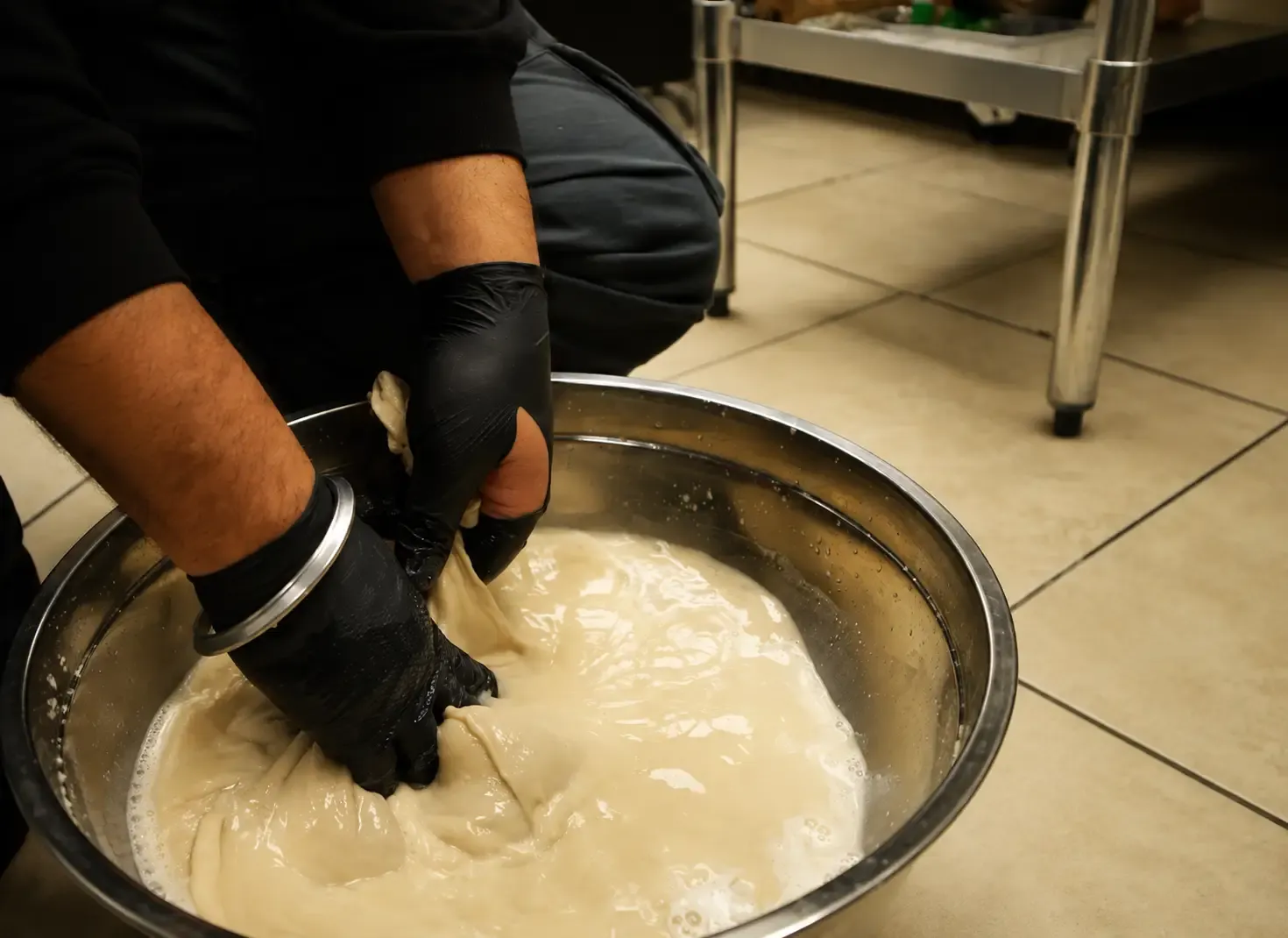
- Strain the paste through a muslin cloth or a fine-mesh sieve, pressing firmly to extract all the liquid.
- Mix the strained extract with the remaining chilled milk and your sweetener of choice. Stir or shake well.
- Add saffron or rose water if using, then refrigerate for at least 30 minutes before serving.
Quick tip: A ready-made Shardai powder mix is a practical shortcut for busy days. Mix it directly into chilled milk, stir for 60 seconds, and it is ready to drink. Look for a mix that lists real almonds and fennel as primary ingredients, not artificial flavourings.
When Should You Drink Shardai?
Timing matters when it comes to getting the most from Shardai. Here is when it works best and when to hold back:
Best Times to Drink Shardai
- Hot summer afternoons: The cooling ingredients actively help manage body temperature and prevent heat fatigue.
2. After exercise or physical labor: The protein and minerals in almonds and melon seeds support natural muscle recovery.
3. During festivals: Holi, Maha Shivratri, and family celebrations are traditional occasions where Shardai is both culturally appropriate and genuinely refreshing. - In the evening: The mild calming effect of poppy seeds makes Shardai a good wind-down drink for those avoiding caffeine later in the day.
When to Be Cautious
- On an empty stomach: Shardai is nutrient-dense and may cause mild discomfort for people with sensitive digestion if consumed without any food.
- Before strenuous activity requiring alertness: Unlike caffeine, Shardai has a mildly calming effect, so it is not the right choice immediately before high-intensity physical performance.
Shardai vs Modern Energy Drinks: An Honest Comparison
Here is how a standard glass of Shardai made with whole milk compares to a typical 250ml can of a popular caffeinated energy drink:
| Factor | Shardai | Packaged Energy Drink |
|---|---|---|
| Energy source | Almonds, melon seeds, milk | Caffeine, sugar, synthetic vitamins |
| Caffeine | None | 80–150mg per can |
| Calories (approx) | 150–220 kcal | 110–160 kcal |
| Sugar | Natural (jaggery) or none | 27–34g added sugar |
| Protein | 5–8g (from almonds and milk) | 0–1g |
| Crash after drinking | No | Yes (caffeine and sugar drop) |
| Artificial additives | None | Common (colors, preservatives) |
| Suitable for children | Yes (in moderation) | Not recommended |
| Energy duration | 3–5 hours (slow release) | 1–2 hours (spike and drop) |
Shardai does not replace caffeine for people who need a strong, fast-acting stimulant. What it does offer is something packaged energy drinks cannot: genuine nutrition alongside the energy, with no dependency risk and no crash.
Modern Twist: Shardai as a Lifestyle Drink
Shardai has moved well beyond traditional kitchens. Today, it is being reimagined as a premium wellness drink for a new generation of health-conscious consumers who are moving away from artificial beverages.
Ready-to-drink Shardai bottles, premium powder mixes, and fusion formats like Shardai smoothies, Shardai lattes, and Shardai milkshakes are now becoming common in Indian cities. Sugar-free and vegan versions sit alongside the traditional recipe, and the drink is gaining consistent visibility on social media where it is positioned as Punjab’s original energy drink. For many buyers, it has also become a more thoughtful and healthier gifting option during festivals compared to conventional sweets and packaged beverages.
Pros and Cons of Shardai
| Pros | Cons |
|---|---|
| Made from natural, whole-food ingredients | Contains nuts and seeds — not suitable for people with nut allergies |
| No caffeine, no crash, no dependency risk | Requires soaking and prep time unless using a ready-made mix |
| Customisable sweetness and milk base | Not a substitute for a fast, strong caffeine kick |
| Works as both a festive and everyday drink | Calorie content adds up with full-fat milk and extra sugar |
| Suitable for most age groups in moderation | May not be suitable for individuals with specific dietary restrictions or allergies |
Precautions While Consuming Shardai
Shardai is safe for most people when consumed in moderation, but a few specific groups should take note:
- Nut allergies: Almonds and melon seeds are core ingredients. Anyone with a nut or seed allergy should avoid standard Shardai or look for a custom allergen-free version.
- Poppy seed sensitivity: Poppy seeds have a mild calming effect. People on sedative or anti-anxiety medication should speak with a doctor before regular consumption.
- Diabetes or blood sugar management: Choose a jaggery-based recipe or a no-added-sugar version, and keep portions to one glass per day.
- Lactose intolerance: Swap dairy milk for almond, oat, or soy milk without significant loss of flavour or nutritional value.
- Pregnancy and young children: Shardai is generally considered safe in small quantities, but it is worth checking with a doctor before making it a regular part of the diet during pregnancy.
- Moderation: One glass per day is a sensible serving for most adults. More is not necessarily better, and the calorie content can accumulate.
Frequently Asked Questions About Shardai
1. Can Shardai replace energy drinks?
Shardai can replace most energy drinks for people who want sustained, natural energy rather than a fast caffeine hit. Its combination of almonds, melon seeds, and fennel delivers energy that lasts three to five hours without the crash that follows caffeine or sugar. However, if you rely on caffeine for early-morning alertness or pre-workout stimulation, It is a complement rather than a direct substitute. Think of it as what you drink for the rest of the day, once the caffeine window has passed.
2. Is Shardai healthy for children?
Yes, when prepared with good-quality ingredients and modest sweetness, Shardai is a genuinely nutritious drink for children. The almonds provide protein and healthy fats that support brain development. The milk adds calcium for bone growth. The fennel supports digestion. There is no caffeine, no artificial colouring, and no synthetic additives. Keep portions age-appropriate — half a glass for younger children — and choose jaggery over refined sugar when possible.
3. How did farmers traditionally use Shardai?
In rural Punjab, Shardai was a functional recovery drink consumed during or after long hours of physical fieldwork, particularly in summer. The almonds and melon seeds replenished energy and minerals lost through sweat and exertion. The fennel and rose petals helped cool the body down. It was practical, affordable, and made from ingredients that most households already kept at home. The fact that it also tasted good made it one of the few genuinely pleasant parts of a physically demanding working day.
4. Why is Shardai gaining attention among health-conscious consumers?
The short answer is that processed beverages have created a demand for better alternatives. As awareness of the long-term effects of high caffeine intake, added sugar, and artificial additives has grown, consumers are looking for drinks that deliver real nutrition rather than just stimulation. Shardai fits that gap precisely. It is traditional, transparent in its ingredients, free from synthetic compounds, and flexible enough to be made sugar-free or dairy-free. The growing interest in Ayurvedic nutrition and heritage foods has added cultural credibility that no marketing campaign can manufacture.
5. How many calories are in a glass of Shardai?
A standard glass of Shardai made with whole milk and a moderate amount of sugar typically contains between 150 and 220 kilocalories. The majority of those calories come from the almonds, the milk, and the sweetener. If you use low-fat or plant-based milk and replace refined sugar with jaggery in smaller quantities, the calorie count can come down to around 100 to 130 kilocalories per glass. For context, a 250ml can of a popular caffeinated energy drink contains roughly 110 calories — almost entirely from added sugar, with no meaningful nutritional value beyond that.
6. What is the difference between Shardai and Thandai?
Shardai and Thandai are regional names for the same drink. Shardai is the term used predominantly in Punjab, while Thandai is the name used in Uttar Pradesh, Rajasthan, and other parts of North India. The base recipe — almonds, fennel seeds, melon seeds, and spices blended with chilled milk — is consistent across both. Regional variations exist in the balance of spices and the optional additions of saffron, rose water, or specific pepper quantities, but the core drink and its function remain the same.
Conclusion
Shardai is proof that some of the most effective wellness drinks were developed long before wellness became an industry. Rooted in Punjabi tradition and Ayurvedic knowledge, it delivers natural energy, body cooling, and genuine nutritional value through a handful of whole-food ingredients that have stood the test of centuries.
Whether you make it fresh at home with almonds, fennel, and rose petals, or choose a quality ready-made mix on a busy day, Shardai fits naturally into a healthier daily routine — especially through Punjab’s long, hot summers and the festive seasons where it belongs. Start with one glass, adjust the sweetness and milk base to your preference, and pay attention to how differently your body responds compared to a caffeinated drink. The difference tends to speak for itself.
Experience Authentic Shardai with Desi Khuraak
Why spend hours soaking almonds, grinding seeds, and straining paste when you can get Shardai made the traditional way, ready to drink? Desi Khuraak crafts its Shardai blend using real almonds, genuine fennel, and wholesome seeds — the same authentic Punjabi ingredients that have been used for generations, with no artificial flavourings, fillers, or shortcuts. Every batch is made to deliver that same cooling, nourishing energy Shardai has offered Punjabi households for centuries, just without the prep work. Whether you’re craving a refreshing drink on a hot afternoon or want a healthier alternative to packaged energy drinks, it’s ready whenever you are. Visit any of our locations in Brampton, Mississauga, and Kitchener to taste authentic Shardai for yourself.